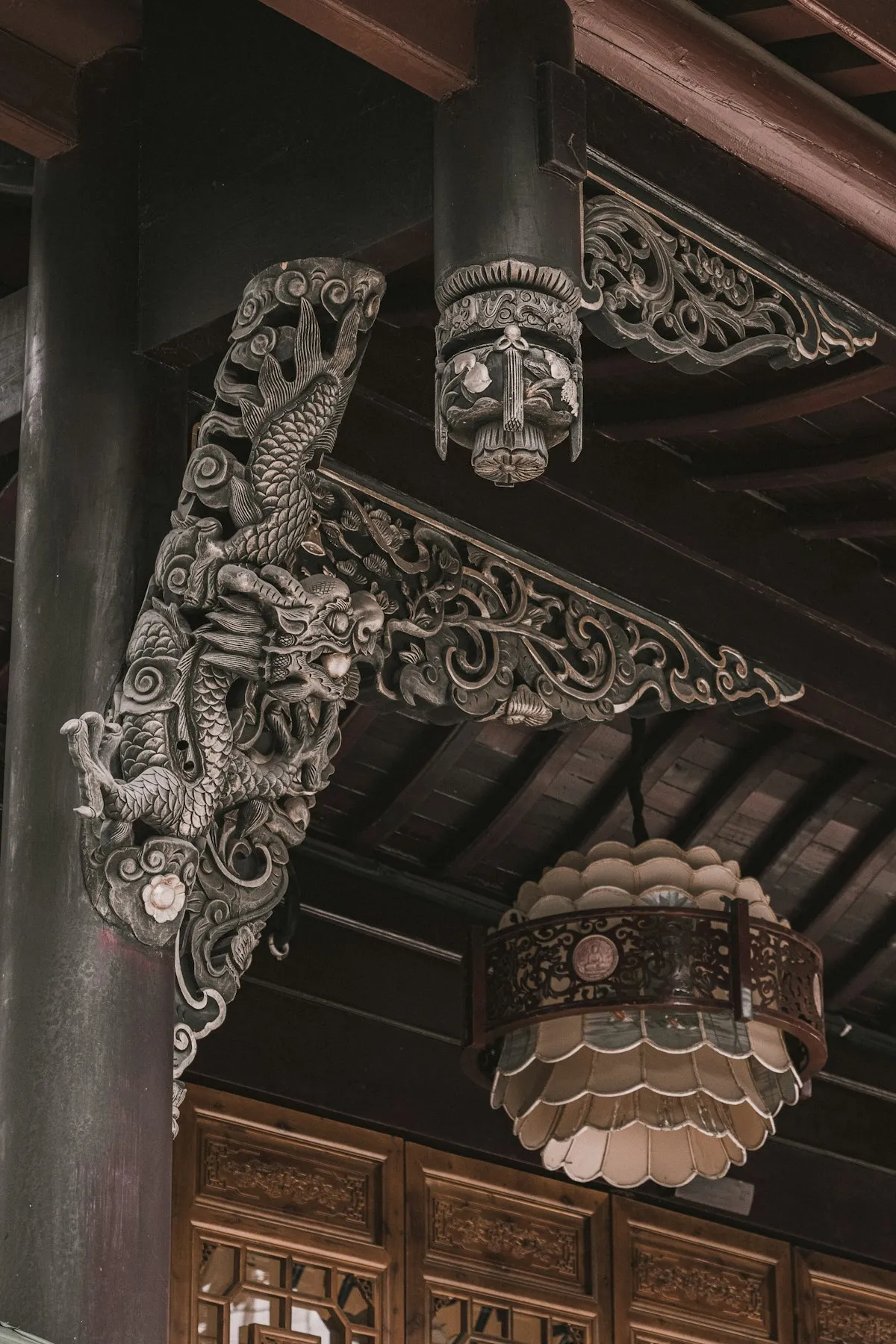
The interlocking wooden bracket system
Dougong Brackets
The dougong is the most distinctive and ingenious element of traditional Chinese architecture. It is an interlocking system of wooden brackets placed atop columns to support the pr...
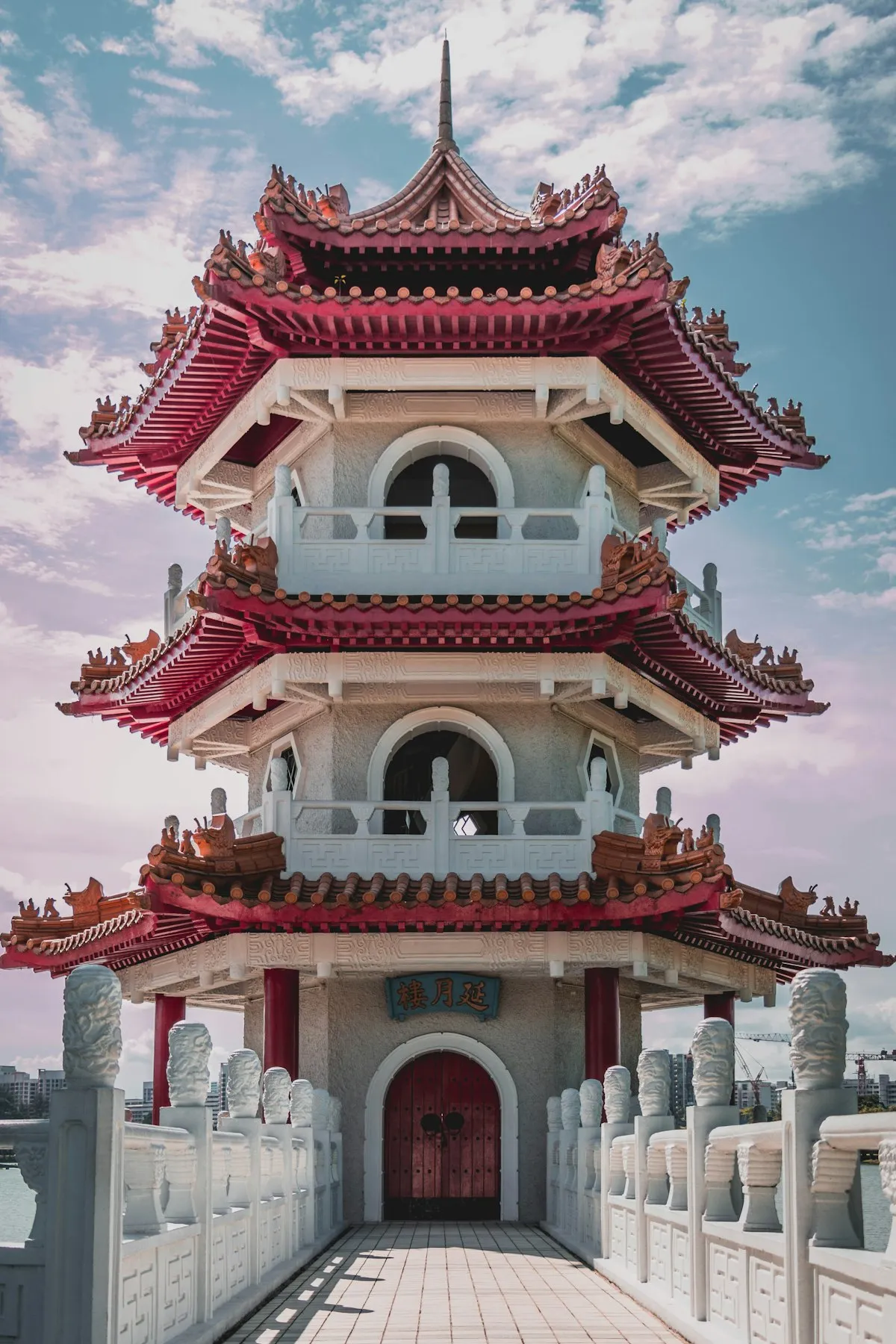
The crowning glory of Chinese architecture
Roof Forms
The roof is the most legally regulated element of Chinese architecture. Five principal forms — hip, hip-and-gable, overhanging gable, flush gable, and pyramidal — were ranked by st...
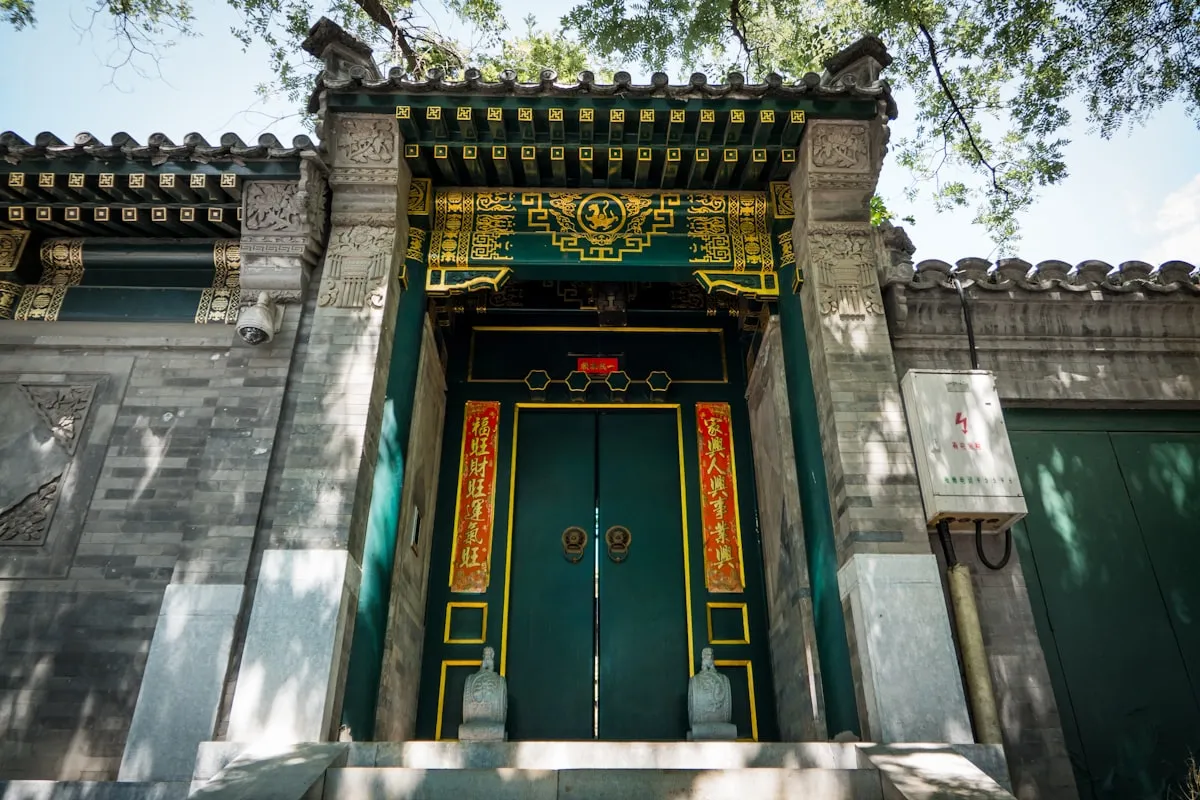
Harmony between heaven and earth
Courtyard Layouts
The courtyard — whether the humble siheyuan of Beijing or the vast walled compounds of the Forbidden City — is the fundamental organizing principle of Chinese architecture. A commo...
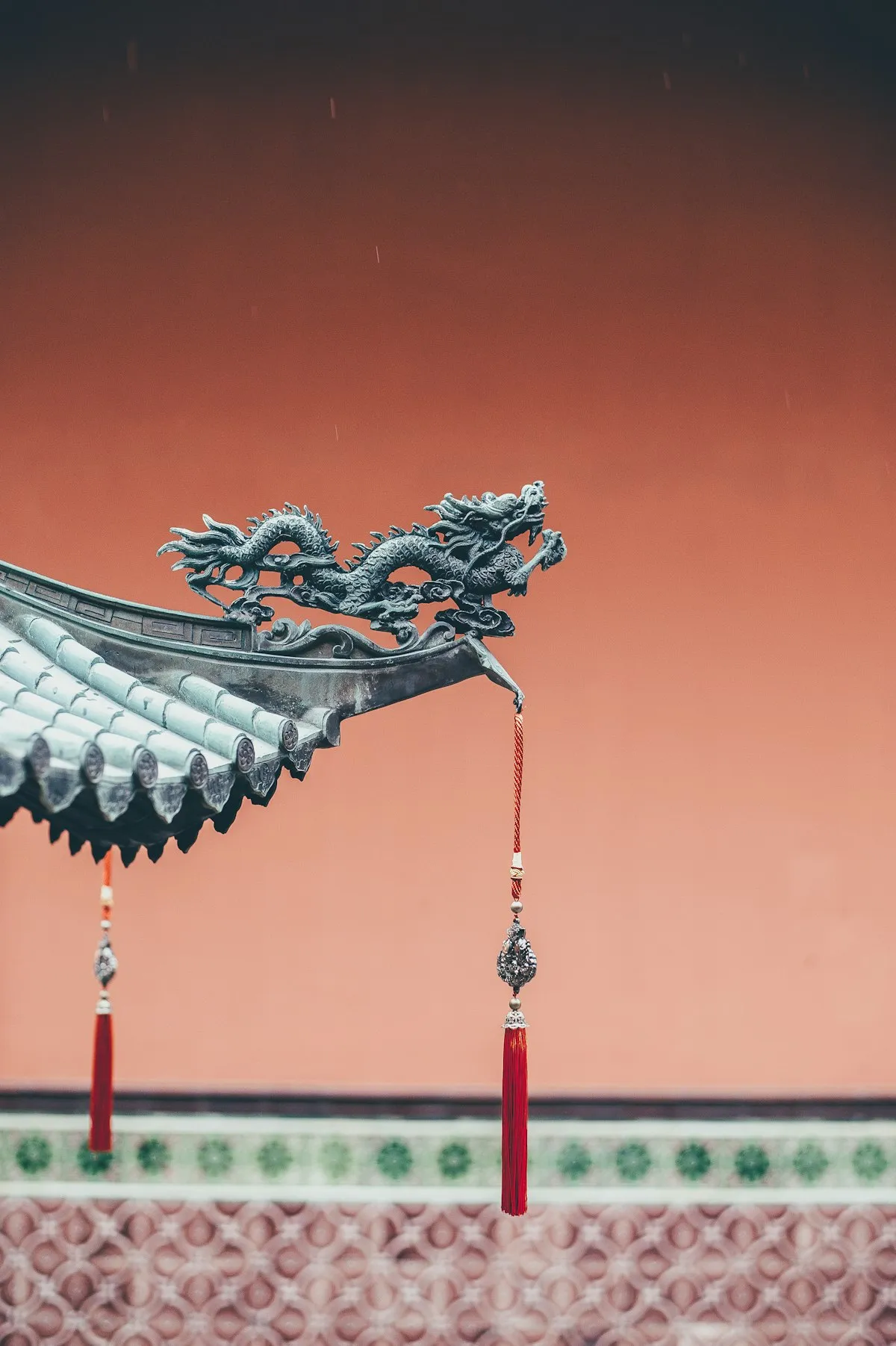
Symbolism in color, pattern, and figure
Decorative Motifs
Chinese architectural decoration is a legally enforced language of rank. The ridge beasts marching along the roof are talismans that also pin down heavy glazed ridge-caps against w...
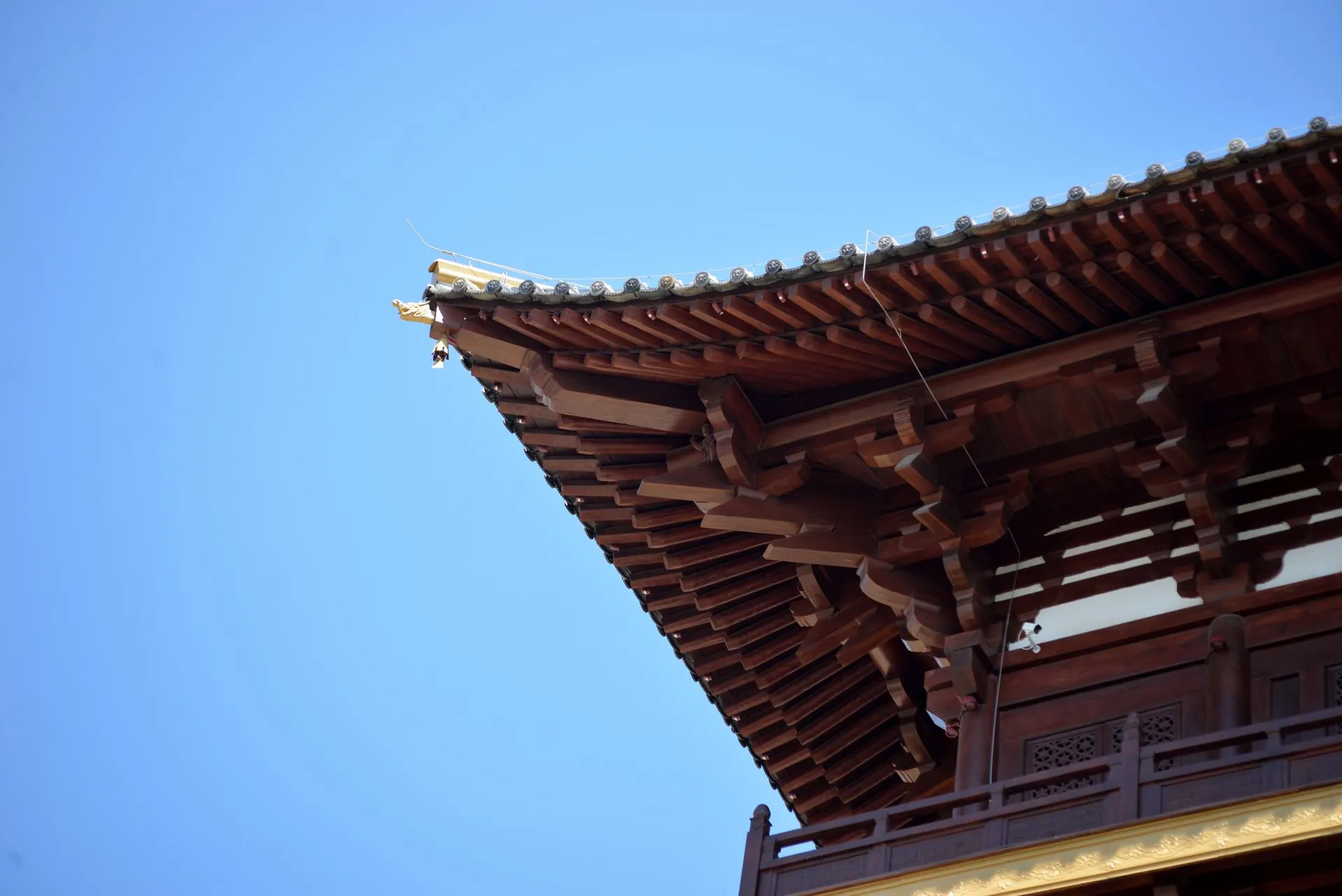
Wood, rammed earth, brick and the timber frame
Materials & Structure
The genius of Chinese architecture lies in its materials and structural logic. Wood was always the preferred building material — not stone — and the timber frame, with its mortise-...
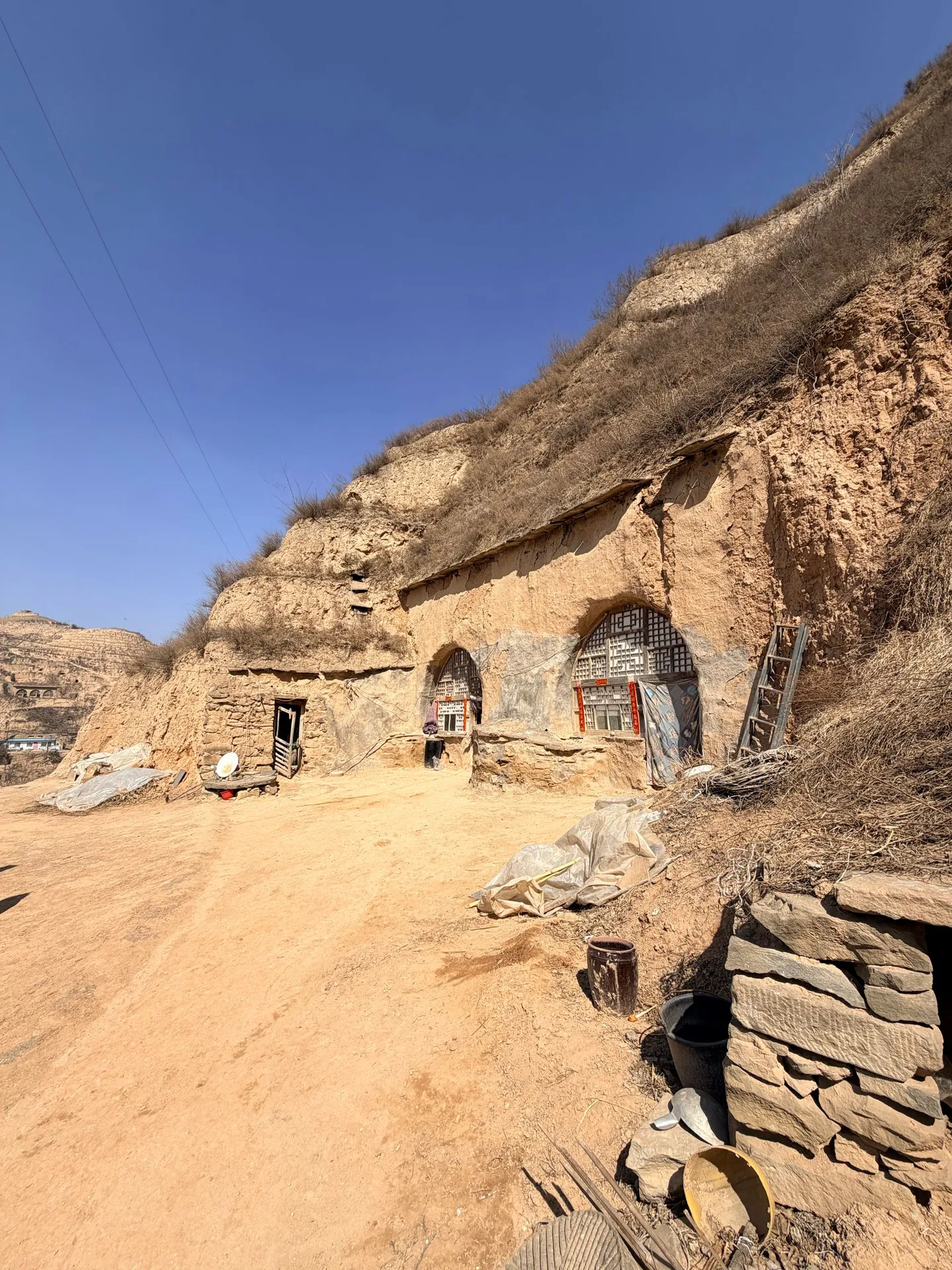
Courtyard homes, tulou, cave dwellings and stilt houses
Vernacular Houses
Beyond palaces and temples lies the architecture of ordinary people — the vernacular tradition that adapted China's diverse climates and cultures into hundreds of local house forms...